Book an
Appointment
Call Now
Whatsapp

Squint

What is a Squint?

Service Image

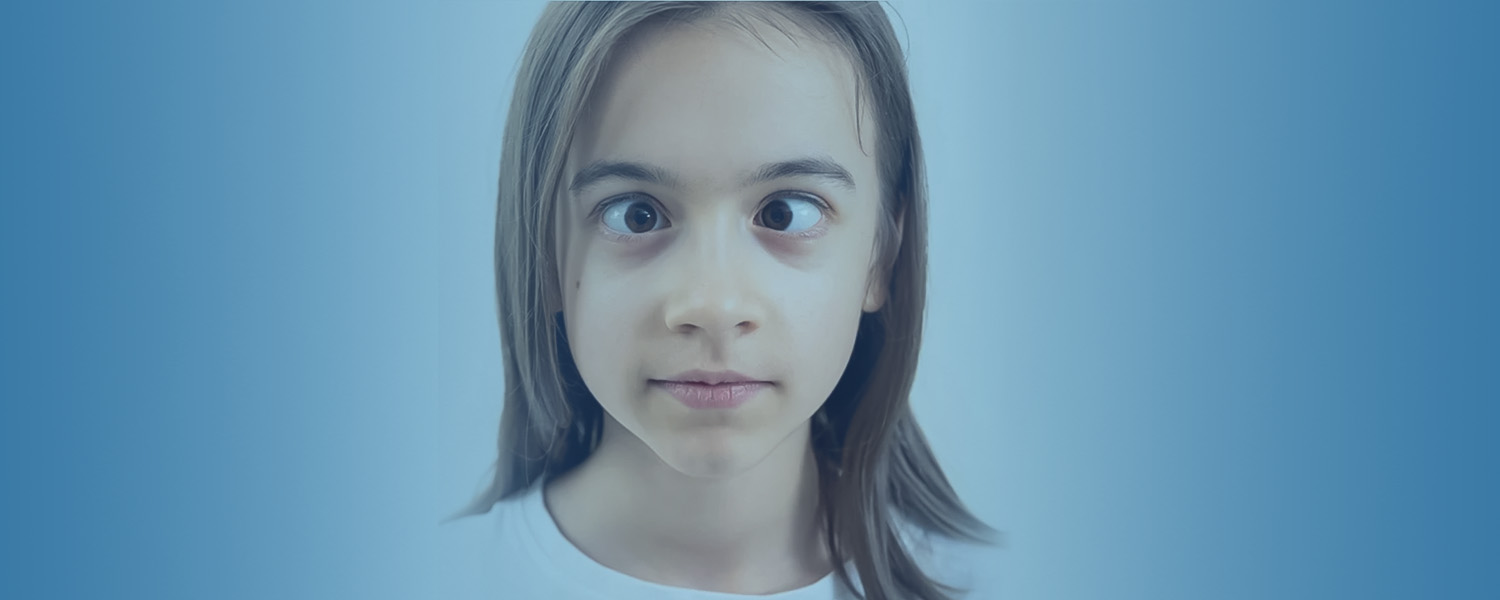
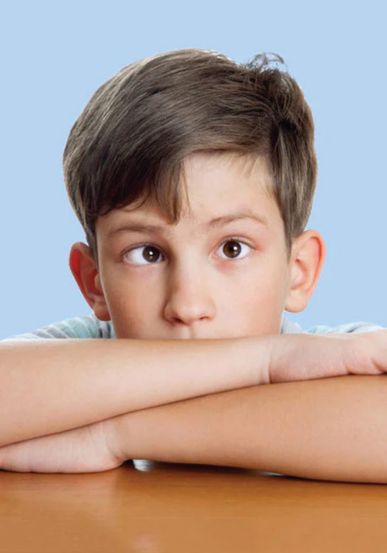
Squint or strabismus is a condition of the eyes where both eyes do not point in the same direction at the same time. One eye will turn inwards, outwards, upwards or downwards when the other looks normally. This can be all the time or only sometimes, for example, when the child is tired or looking at close things. Squint can occur in children as well as in adults & if not treated, it can result in poor vision in one eye (lazy eye) or trouble perceiving distances. Detection & treatment at an early stage are necessary to safeguard clear & balanced vision.

Common Symptoms of Squint

image

01

Eyes deviating in different directions

image

02

Double vision in certain situations

image

03

Tilting or turning the head to view objects

image

04

Trouble judging distances

image

05

Eye strain or headaches

image

06

Decreased vision in one eye (amblyopia)

Causes of Squint

  • Imbalance of the eye muscles
  • Refractive problems such as myopia or hyperopia
  • History of squint in family members
  • Poor vision in one eye
  • Neurological problems with eye movement
  • Eye injury
service
service

Prevention & Precaution Tips for Squint

  • Get kids' eyes checked regularly, particularly in case of family history
  • Correct refractive errors with proper glasses
  • Monitor children to ensure healthy screen time & good posture
  • Treat underlying issues of the eyes early
  • Promote outdoor activity for improved eye coordination

Diagnosis & Treatment for Squint

  • Eye Test: Full eye examination including vision test
  • Cover Test: To check the proper alignment of both eyes
  • Spectacles: Correct refractive errors responsible for squint
  • Eye Exercises: Improve coordination & make eye muscles stronger
  • Prism Glasses: Reduce double vision in some patients
  • Surgery: Realign eye muscles in cases not corrected with non-surgical means

Take the First Step For a Clearer Vision

Book Appointment