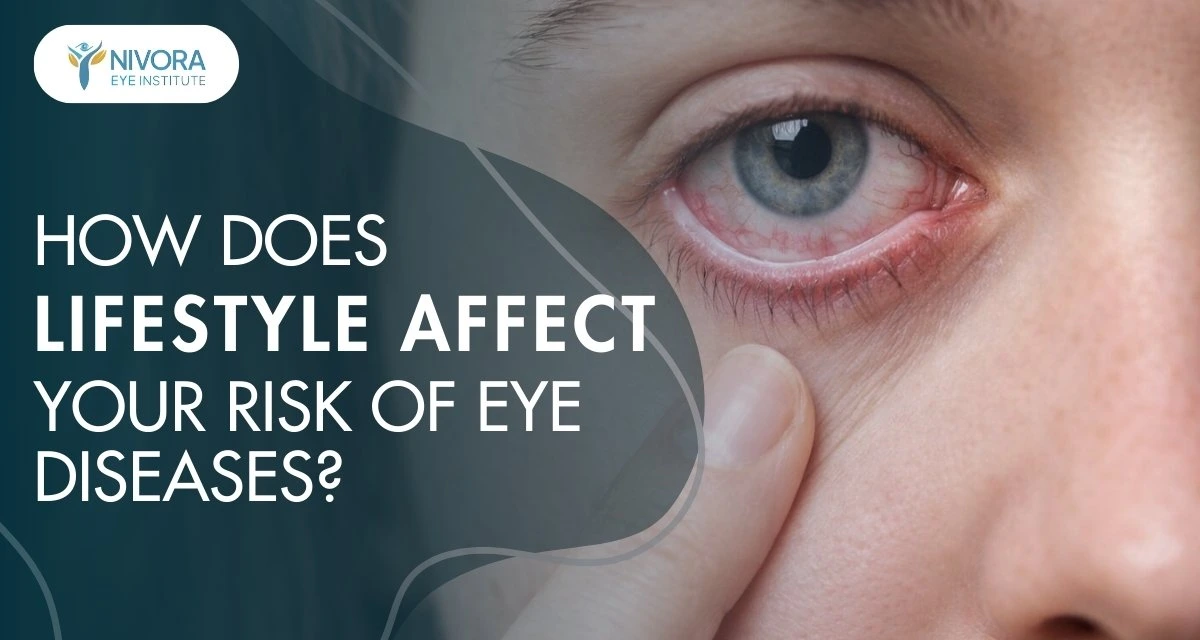
How Does Lifestyle Affect Your Risk of Eye Diseases?
It is a fact that eye diseases are common in older people or those with a family history of eye problems. However, lifestyle factors have a great influence on eye health. From the amount of screen time to your diet, sleep & existing health conditions, many lifestyle factors can significantly increase the risk of eye diseases.
The good news is that many serious eye diseases can be prevented or controlled if lifestyle risks are managed early. The first step towards protecting your vision for the future is to understand how your lifestyle affects your eyes.
The Connection Between Lifestyle & Eye Health
Your eyes are very sensitive & they need proper blood circulation, nerve stimulation & nutrition. When lifestyle factors affect these processes, the consequences are usually reflected in your vision.
Some lifestyle factors can lead to inflammation, low oxygen levels or strain on your eyes which can cause long-term vision problems.
On that note, let’s explore the most common lifestyle factors that affect eye health.
1. Too Much Screen Time & Digital Eye Strain
In the modern digital age, screen time is unavoidable. Whether it’s for work, social media or entertainment, too much screen time can cause eye strain.
How It Affects Vision
• Dryness & irritation
• Blurred vision
• Headaches
• Difficulty focusing
Prolonged digital eye strain can worsen existing vision issues & lead to the premature fatigue of the eye muscles.
Here’s What Can Help
• Practice the 20-20-20 rule
• Consciously blink to prevent dryness
• Adhere to proper screen distance & positioning
2. Poor Diet & Nutritional Deficiencies
Your eyes require certain nutrients to work properly. A diet that is deficient in vitamins & antioxidants can lead to an increased risk of eye diseases like macular degeneration & cataracts so make sure to intake a diet that properly nourishes you & your eyes.
| Nutrient |
Why It Matters |
Food Sources |
| Vitamin A |
Supports night vision |
Carrots, sweet potatoes |
| Omega-3 Fatty Acids |
Reduces dry eye symptoms |
Fish, flaxseeds |
| Vitamin C |
Protects against oxidative stress |
Citrus fruits |
| Lutein & Zeaxanthin |
Supports retina health |
Leafy greens |
3. Smoking & Alcohol Consumption
Smoking is one of the most harmful lifestyle factors for the eyes. It leads to reduced blood flow to the optic nerve.
Potential risks include
• Cataracts
• Macular degeneration
• Damage to the optic nerve
Excessive alcohol consumption can also cause problems in the absorption of nutrients, leading to vision clarity & eye coordination.
Hence, stopping smoking is one of the most effective ways to stay healthy & prevent vision-threatening diseases.
4. Lack of Physical Activity
Physical activity enhances blood circulation, ensuring that the retina & optic nerve receive adequate oxygen.
An inactive lifestyle, on the other hand, leads to
• Diabetes
• Hypertension
• Obesity
These factors directly influence eye health & can cause retinal damage if left untreated.
Exercise helps maintain healthy blood sugar & blood pressure levels which indirectly benefits vision.
5. Uncontrolled Diabetes & Blood Pressure
Chronic conditions are some of the most common causes of vision impairment. These include
Diabetic Eye Complications
High blood sugar levels affect the minute blood vessels in the retina which may result in diabetic retinopathy, a complication that can lead to blindness.
Hypertensive Eye Changes
High blood pressure may cause the narrowing or leakage of retinal blood vessels.
Regular monitoring & treatment are crucial in preventing such complications.
6. Inadequate Sleep & Eye Fatigue
Sleeping gives your eyes the chance to recover & rehydrate. Poor sleeping habits can result in
• Eyelid twitching
• Dryness
• Blurry vision
• Sensitivity to light
Insufficient sleep can also worsen digital eye strain & affect focus.
7. Lack of UV Protection
Exposure to ultraviolet (UV) radiation can increase the risk of
• Cataracts
• Pterygium (growth on the eye surface)
• Retinal damage
But protecting your eyes with UV-blocking sunglasses is an easy & effective preventive measure.
Why Preventive Care Matters
Lifestyle risks can build up over time. In fact, damage is often already done by the time symptoms are noticed. This is why preventive eye care is so important even if everything seems fine.
Regular check-ups can help with
• Early detection of glaucoma
• Tracking retinal health
• Identifying silent vision changes
• Preventing long-term damage
Warning Signs You Should Not Ignore
Lifestyle-related eye strain or disease can cause
- Frequent headaches
- Constant dryness
- Sudden blurry vision
- Increased sensitivity to light
- Difficulty seeing at night
In such cases, seeking care early can help prevent problems from becoming permanent.
When Should You Seek Professional Eye Care?
If you are experiencing vision discomfort, changes or have chronic health issues, it is important to seek professional care. Choosing the best eye hospital in Dehradun will provide you with the latest diagnostic facilities & professionals who can help you with personalised treatment plans.
Additionally, professional advice helps fill the gap between lifestyle knowledge & effective medical treatment
Conclusion
Your lifestyle habits have a direct effect on your vision. From what you eat to how much time you spend looking at a screen, everything affects your eyes in a subtle but significant way.
While some factors are not in your control, such as genetics & ageing, lifestyle habits are. By making informed changes & taking proactive steps to prioritise regular eye care, it is possible to preserve your vision, comfort & independence for years to come.
To help patients cope & overcome all kinds of eye issues, we at Nivora Eye Hospital provide them with comprehensive eye care, lifestyle advice & modern diagnostic facilities that help detect vision problems early on & preserve their vision. By taking a proactive approach to preventive care & medical treatment, we play an important role in helping people maintain healthy eyesight for years to come.